Medical device patenting at the European Patent Office

Martin Connors
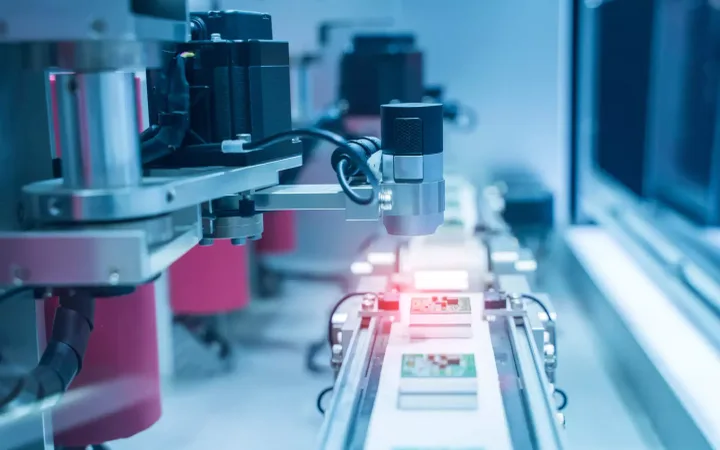
Year on year medical devices usually account for the highest number of patent filings at the European Patent Office. One of the factors is that the market for medical devices has continued to steadily grow due to an ageing population and global economic wealth. The patenting of medical devices at the European Patent Office is particularly complex. In this article, we’re looking at key strategic considerations when protecting medical device inventions.
The European Patent Office (EPO) excludes the patenting of methods of medical treatment, specifically, according to 53c EPC, those methods for treatment of the human or animal body by surgery or therapy and diagnostic methods practiced on the human or animal body.
The European Patent Convention recognises that such methods may be inventions but prevents patenting of these methods. This exclusion to patentability is in contrast to some other countries and territories, notably the United States, where such methods are patentable.
The original reasoning for this exclusion was to public health within the EPC states. The fear was that doctors and other medical professions would be impeded in carrying out their normal duties by patent rights. I sometimes wonder if US doctors and other medical professionals there worry about being sued by patent infringement, or if other means could have been put in place to shield European doctors from patent infringement, but I must leave that for another time.
As with many exclusions, at the European Patent Convention, this exclusion to patentability to method for medical treatment by surgery or therapy, is interpreted narrowly, and patent protection can still be obtained through careful patent drafting that distances the invention, if one can, from the method, surgery, therapeutic steps etc.
The second half of Article 53c EPC states that this provision shall not apply to products, in particular substances or compositions, for use in any of these methods. Pharmaceutical compositions and medical devices per se are clearly patentable, but medical devices do not get the exemption to the usual laws of novelty for first medical use, in the same way as compositions do. A medical device must be novel over the prior art, regardless of its intended use.
Medical devices are not totally immune to the exclusion to patentability, if there is an essential step that is a method of surgery or therapy, it may prevent patentability of a claim that otherwise looks like it is directed to a product.
Methods of manufacturing or methods of operating a medical device, although at first may appear to be excluded from patentability, may actually be patentable. A method of manufacturing that even requires some interaction with a human for the manufacture may still be patentable, provided that there is not a surgery step. The same goes for the method of operating a medical device, which depends on whether there is a surgical or therapeutic step involved.
Examples of methods not excluded by Article 53c include methods to promote wool or hair growth in animals, provided these are not essentially biological in character. An insole moulding for the manufacture of insoles for example, which may have user interaction to make, is not thought to be surgery therefore this is not excluded from patentability by Article 53c. Cosmetic method inventions are not per se excluded from being patentable but to be patentable these methods must not have a surgical step. Surgery for even cosmetic purposes is excluded for patenting, however tattooing and piercing are specifically mentioned as examples that are not excluded by Article 53c.
In conclusion, the key to protecting medical devices through patenting is in the patent drafting. This is particularly important and may require its own style at the EPO. Careful drafting can help avoid the potential pitfall of the exclusions to method of treatment at the EPO.
Meet the author

About Martin Connors
Related insights
Featured insight

Key themes from the IPO Annual Meeting 2026: AI, accountability and digital designs
- Read article
Patent Box take-up: What has changed since the beginning?
- Read article
The power of strategic partnerships in AI: Key IP considerations
- Read article
Patent Box relief passes £2 billion as take-up continues to grow
- Read article
Carry-over auxiliary requests in EPO appeals: Why early procedural planning can protect commercial value
- Read article
Filed, published & granted patents: What’s the difference?