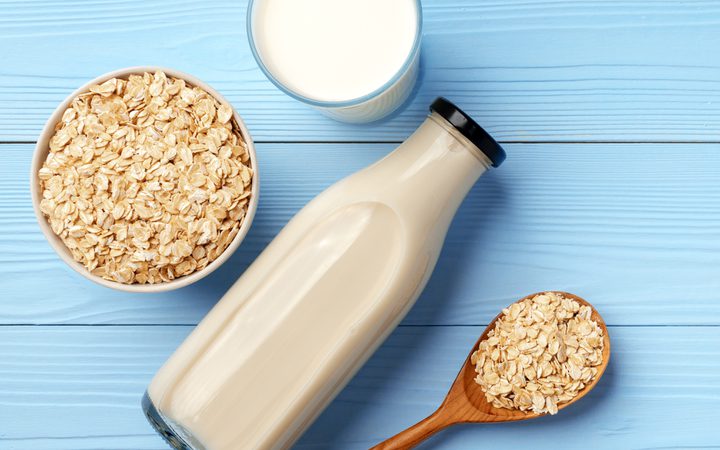
A final decision in the long-running dispute between Oatly AB, the owner of the OATLY plant-based drink, and Dairy UK Ltd, representing the interests of the dairy industry in the UK, was issued this week from the UK Supreme Court.
This has been an ongoing dispute we last reported on in May 2024, when Oatly was successful in the earlier High Court decision in being allowed to register “POST MILK GENERATION” as a trade mark for oat drinks, which Dairy UK objected to, appealed and won such that the registration is not now allowed.
Can plant-based brands use protected dairy terms?
The issue centres on what type of use can be made of a protected term and the extent it can be used to brand or promote a product which does not fall under the protection. Dairy UK had a solid foundation for its objection. EU Regulation 1308/2013 (transposed into UK law) sets out rules around the usage of a variety of agricultural products such as “milk” or “butter”. The Regulation specifically stipulates that the term may only be used for products made exclusively from animal milk.
Further EU trade mark case law had followed and supported the Regulation, and brand owners in the UK seeking registration of a mark incorporating the word “MILK” for non-animal milk products could expect to receive an objection to registration from the UKIPO based on Section 3(4) on the basis of being a protected term. The UK Trade Marks Act does not allow brand owners to register any mark where its use would be contrary to the legislation protecting reserved terminology, and similar restrictions apply to geographical indications, which reserve certain naming rights for a particular product from a defined region.
It could therefore have been said to be surprising when the High Court opted to allow Oatly to register “POST MILK GENERATION” for oat-based drinks, with its reasoning that the mark was not being used to promote or sell milk products, but aimed at consumers who do not drink animal-based milk.
Oatly’s argument: marketing to the ‘post-milk’ generation
Clearly, for Oatly, who is trying to educate consumers to think of its product as an alternative or substitute for milk, benefits substantially from creating the impression that its product is a “milk-type” product. How else to readily inform consumers in two words that its product has a similar texture and consistency, and can be used in the same way as milk can?
The UK Supreme Court has overturned the earlier High Court decision and clarified that the law’s reference to a “designation” refers to the use of the protected terms in relation to any marketing of food or drink, not just as an actual brand name for the product.
Therefore, it does not matter if the product is branded under a different name, is aimed at those who do not drink milk or how they would understand the reference – the reference of the protected term in relation to that non-conforming product can, and should be, prevented.
If the term is protected, then it can only be used in relation to the products set out in that protection, in this case, milk means animal milk, and it should not be used to promote plant-based alternative products.
Supreme Court draws a clear line on protected terms
The case highlights that brand owners in the plant-based product industry, producing goods intended as substitutes to dairy products, cannot take advantage of the animal equivalent product generic names to inform and promote their products to consumers – milk, cream, yoghurt, butter and cheese can only be used to promote products made with animal milk.
The UK Supreme Court’s decision illustrates that the UK will be strict in applying the protection given to such protected terms or geographical indicators and is not seeking to deviate from EU law. Instead, protected terms of an industry sector, such as dairy, will be celebrated and preserved.
The takeaway for marketing teams of alternative plant-based products – they cannot stray into category borrowing of the existing animal-based sector and need instead to focus on the creation of their own sector terminology.
If you would like advice on trade mark strategy or product branding in the food and drink sector, our specialist team can help, get in touch today.


