EU design reform phase 2: Key changes from 1 July 2026

Wendy Crosby

Steven Suèr

Kate Syrtsova
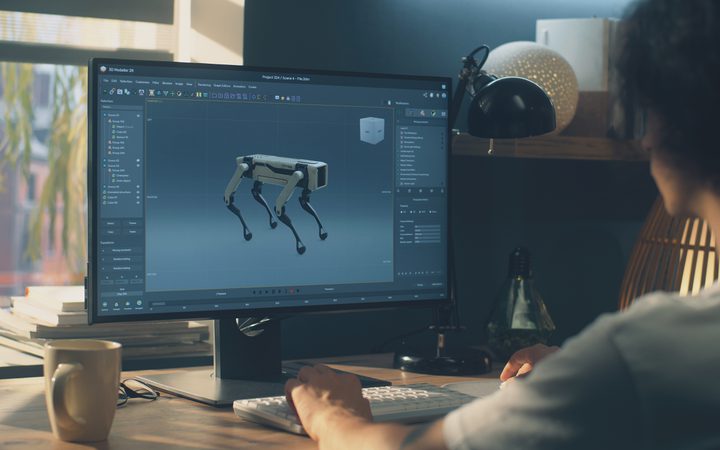
The European Union's design reform programme continues to gather pace.
Following the first phase of changes introduced in May 2025, a further set of reforms will come into effect on 1 July 2026, bringing important updates to how designs can be represented in applications filed with the European Union Intellectual Property Office (EUIPO).
While some of the changes provide greater flexibility for traditional design filings, the most significant development is the introduction of video-based design representations.
For businesses developing software, graphical user interfaces (GUIs), digital products and other dynamic visual content, this marks an important step forward in the evolution of design protection.
More flexibility for EU design representations
From 1 July 2026, applicants will be able to submit up to ten protected representations of a design when filing an application with the EUIPO.
This increase provides greater flexibility when depicting products from multiple angles or illustrating more complex designs. It may also prove useful for applicants coordinating international filing strategies, particularly where priority claims are intended, and other jurisdictions permit a greater number of views than has historically been accepted by the EUIPO.
Possibility for amending design representations
Another important procedural change is the introduction of greater flexibility in amending design representations when the changes relate only to immaterial details. Although the scope of what constitutes an "immaterial" change will develop through EUIPO practice, the reform aligns with the EU trademark processes. It is expected to provide applicants with a more practical and proportionate approach to addressing minor representation issues within a design application or registration.
In practice, this may reduce the need for applicants to withdraw views or split a design into multiple applications to allow the design to proceed to registration, making it easier to address minor issues without affecting the overall application and potentially reducing costs for businesses.
Animated designs can now be filed as MP4 videos
In recognition of the growing importance of digital products and user experiences, the EUIPO will now accept MP4 video files as a form of design representation for animated designs.
Until now, applicants seeking protection for animated content have generally been required to rely on a series of static images to demonstrate movement or transitions. While effective in some circumstances, static representations can struggle to capture the full nature of a dynamic design.
The new system will allow applicants to submit a single MP4 file showing the design in motion, offering a more natural and potentially more accurate representation of animated visual elements.
This development could be particularly relevant for:
- graphical user interfaces (GUIs);
- software and mobile application animations;
- screen transitions and visual effects;
- animated icons and indicators;
- virtual and augmented reality environments; and
- other digital products that incorporate movement as part of the user experience.
For example, a business developing a distinctive animated loading sequence, menu transition or interactive visual effect may now be able to demonstrate the design directly through video, rather than attempting to recreate the movement across multiple still images.
Filing requirements for video design representations
The EUIPO has published detailed technical requirements governing both image and video submissions, including specifications for file formats, resolution, and quality standards.
Businesses considering the use of animated design filings should ensure that their design, marketing and product development teams are aware of these requirements and incorporate them into the design creation process where appropriate.
A welcome development for digital innovation
The introduction of video-based representations reflects the reality that many modern designs are no longer static.
As digital products become increasingly sophisticated, movement, animation, and interaction often form part of the overall visual impression created by a design. Allowing applicants to represent those features more accurately should help ensure that registered design protection keeps pace with modern product development.
The change also aligns with broader efforts by the EUIPO to modernise design protection and accommodate emerging technologies and digital-first business models.
Protecting animated designs internationally: Why static views still matter
Despite the opportunities presented by the new system, businesses should carefully consider their wider international protection strategy before relying exclusively on video representations.
While the EUIPO is moving quickly to accommodate digital and animated designs, not all intellectual property offices worldwide have adopted equivalent filing practices. This can create challenges where applicants intend to claim priority from an EU filing when seeking protection in other jurisdictions.
For this reason, businesses filing animated or digital designs may wish to consider a dual-filing approach, submitting both:
- an MP4 representation showing the design in motion; and
- a traditional set of static design views.
This approach may provide greater flexibility when pursuing international protection and help minimise potential issues when claiming priority in territories that continue to rely primarily on static representations. It may also be easier with static views to disclaim portions of the design using either dotted lines or color washing techniques.
The future of digital design protection
The second phase of the EU design reform package represents another significant step towards a modernised design protection system that better reflects the way products are developed and experienced today.
For businesses operating in software, consumer electronics, gaming, automotive interfaces and other digitally driven sectors, the ability to file animated design representations opens up new possibilities for protecting innovation and strengthening intellectual property portfolios.
As these changes come into force, now is a good time for businesses to review their design protection strategies and consider whether new opportunities exist to secure protection for digital and animated design features that may previously have been difficult to represent through static imagery alone.
If you would like to discuss how the latest EU design reforms could affect your design filing strategy, or whether animated and digital design features may be suitable for protection, our design specialists would be happy to help.
Meet the authors

About Wendy Crosby

About Steven Suèr

About Kate Syrtsova
Related insights
Featured insight
EU design reform phase 2: Key changes from 1 July 2026
- Read article
How strong IP due diligence drives R&D and innovation
- Read article
A guide for brands and businesses on Amazon facing IP-related issues
- Read article
If you want to scale like The Ivy Collection, start with your IP
- Read article
When design goes beyond function: A recent case shows sensory experience details matter in motion marks
- Read article
Bridging the gender gap in innovation: It starts with you