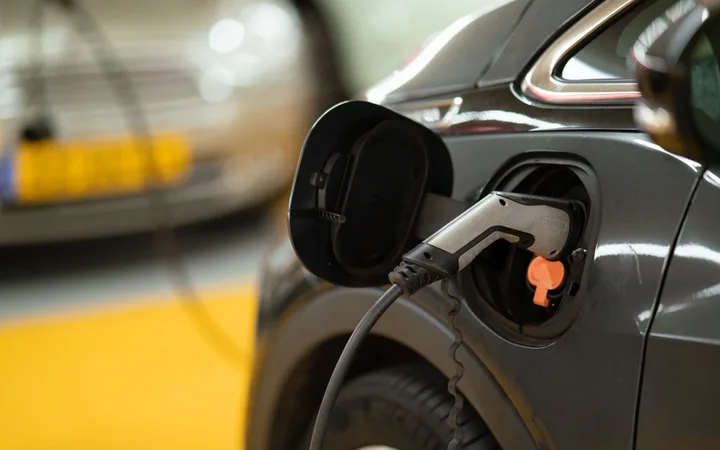
Toyota’s recent granting of royalty-free licences to almost 24,000 ‘vehicle-electrification’ patents has drawn comparisons with Tesla’s “All Our Patent Are Belong to You” pledge back in 2014. The reactions to such announcements always lie across a spectrum of cynicism — on the one hand they are mere publicity stunts or designed to surreptitiously encourage rapid infrastructure improvements to pave the way for more electric vehicles (EVs). On the other, they are only positives, aimed at philanthropically increasing the rate of mass-proliferation of low-carbon transport without fear of lengthy and expensive court battles over patents.
This spectrum aside, we can examine the detail of these announcements to consider whether to take advantage of patent pledges — and even whether there’s any advantage at all…
Here are my top five considerations when deciding whether to licence patents from pledges.
1. Royalties #
One of the key elements in any licence is the royalty aspect — the money you pay to the patent owner for the licence to be granted. This can take many forms depending on how the parties wish the transaction to be structured.
Tesla made little reference to royalties in its patent pledge. However, Toyota framed its pledge as granting royalty-free licences to vehicle electrification patents. This has an obvious appeal — royalty fees can be a sticking point in negotiations, so their absence may make agreeing a licence with Toyota a smoother process.
It’s worth noting that the know-how connected to the patented technology isn’t prima facie included with the royalty-free licence. Know-how often represents the additional technical information needed to implement the technology disclosed in a patent.
Toyota’s offering “fee-based” technical support for parties who’ll be exploiting the technology covered by its patents. It could be said that this is ‘know-how’ by any other name and means that the licence effectively isn’t “royalty-free”, as the required know-how needs a fee to be paid.
For this reason, as part of any due diligence, it’s advisable to ask your engineering team to look at the patents to see if they have a good chance of implementing the technology without the fee-based technical support.
However, an absence of technical information in a patent can be used as grounds to revoke it in multiple territories across the world, including here in Europe. The problem is that such a patent doesn’t provide a sufficient disclosure — one of the key principles that underpins the patent system. Therefore, it may be worth pursuing revocation proceedings to have the patent revoked, or using the threat of revocation in negotiations to bring down the cost of fee-based technical support.
2. Grant-back clauses #
You’re well within reason to develop the technology covered by pledged patents and generate your own IP as a result. However, you should be cautious when pursuing any protection.
The terms of any licence (even a royalty-free one) may contain clauses which assign ownership of the technology that you develop back to the licensor. For this reason, any agreement relating to ‘open-source’ patents should be carefully reviewed to determine whether further legal problems could manifest further down the line if you develop the technology you’re licensing. If it’s your intention to develop the technology, it’s worth considering whether such a licence is worthwhile if you’re prevented from owning any of the related IP.
3. Freedom-to-operate (FTO) #
The announcements from Tesla and Toyota relate only to patents owned by the respective organisation and not third-parties who may have patents covering the technology you wish to implement —potentially exposing you to patent infringement proceedings. These announcements shouldn’t be taken as clearance to proceed without further FTO searches in your territories of commercial interest.
4. Good faith #
One of the important features of the Tesla announcement was the qualification that it won’t initiate “…patent lawsuits against anyone who, in good faith, wants to use our technology…”
Evidently, the interpretation of good faith is key to the pledge Tesla has made. Tesla even provided guidance as to what ‘good faith’ means with respect to this pledge — that a party “and its related or affiliated companies have not:
- asserted, helped others assert or had a financial stake in any assertion of (i) any patent or other intellectual property right against Tesla or (ii) any patent right against a third party for its use of technologies relating to electric vehicles or related equipment;
- challenged, helped others challenge, or had a financial stake in any challenge to any Tesla patent; or
- marketed or sold any knock-off product (e.g. a product created by imitating or copying the design or appearance of a Tesla product or which suggests an association with or endorsement by Tesla) or provided any material assistance to another party doing so.”
This is a very open definition which, of course, leaves it open to Tesla’s interpretation.
The same guidance also includes a section entitled “Legal Effect” in which Tesla sets out that the pledge is not a waiver, licence, covenant not to sue, authorisation to engage in patented activities or a limitation on remedies, damages or claims in respect of parties not acting in good faith.
Given that a company isn’t acting in good faith if it asserts “any patent right against a third party for its use of technologies relating to electric vehicles or related equipment”, then a company operating in the EV space may wish to seriously consider not taking up the Tesla licence, as it could be prevented from asserting its own patents against an infringer without risking action from Tesla.
5. Warranties #
The temptation to take a licence to one of the patents covered by the patent pledges from Tesla and Toyota may be very high — but it shouldn’t be treated differently to any other licence. This means that you should undertake thorough due diligence as well as investigations around the ownership and validity of the patents in question.
In order to cover the risk that the patent owner doesn’t own the patent, or that they know of a reason why the patent is effectively worthless (such as being invalid), you should seek warranties to cover such risks, as you would during a normal licensing transaction.
Always take care #
The patenting activity in the automotive sector and the drive for technological change could well lead to more patent pledges. However, you must always remember to take care, even if some technology may be available which is useful to you in furthering your commercial objectives.
Full and thorough due diligence should be undertaken to understand the full technical and legal picture around any patents which are ‘open-sourced’ in the name of these pledges.
For more about how we can help, feel free to get in touch with us.


